AI & Future Tech Myths: Separating Reality from Hype
Artificial intelligence and future technologies are advancing quickly, but with rapid innovation comes widespread misinformation. Many popular beliefs about AI and future technology are exaggerated or completely incorrect. These myths influence public opinion, business decisions, and even government policies.
In this article, we examine some of the most common AI & future tech myths and explain the facts behind them.
Myth 1: Artificial Intelligence Will Replace All Human Jobs
The Myth
The Reality
AI is far more likely to transform jobs rather than eliminate them entirely.
Technologies like ChatGPT and other automation tools assist workers by handling repetitive tasks. However, jobs that require creativity, emotional intelligence, and strategic thinking still depend heavily on humans. Historically, technological revolutions—from the industrial age to the internet era—have created new industries and job categories.
What Actually Happens
AI typically:
automates repetitive work
increases productivity
creates new specialized roles
For example, AI has created careers such as AI trainers, prompt engineers, and machine learning specialists.
Myth 2: Artificial Intelligence Thinks Like Humans
The Myth
Some believe artificial intelligence systems think, reason, and understand the world the same way humans do.
The Reality
Artificial intelligence does not possess consciousness or human-like reasoning. Instead, AI systems rely on data patterns and statistical models. Modern systems such as GPT‑4 or similar machine learning tools generate responses based on training data rather than true understanding.
Key Difference
Human intelligence involves:
emotions
intuition
contextual awareness
AI operates using:
algorithms
probabilities
pattern recognition
AI can mimic conversation, but it does not experience thoughts or feelings.
Myth 3: AI Systems Are Always Unbiased
The Myth
Because AI is based on mathematics and algorithms, many people assume it is completely objective.
The Reality
Artificial intelligence can inherit biases from the data used to train it. If the training data contains social or cultural biases, the AI system may reproduce those patterns. This challenge has led researchers to focus on AI ethics and fairness. Organizations such as the OpenAI and other technology groups actively study ways to reduce bias in machine learning systems.
Why Bias Happens
AI models learn from large datasets. If the data reflects real-world inequalities, the algorithm may replicate them.
Developers must therefore:
review training data
monitor model outputs
apply bias mitigation techniques
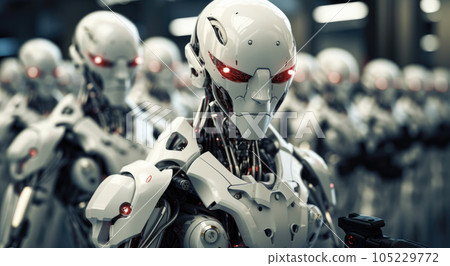
Myth 4: AI Will Become Self-Aware Soon
The Myth
Movies and science fiction often portray AI systems becoming self-aware and gaining control over technology.
The Reality
There is currently no scientific evidence that artificial intelligence is close to achieving consciousness.
AI systems today are designed for specific tasks such as:
language processing
image recognition
recommendation algorithms
They do not possess self-awareness, independent goals, or emotions.
Even the most advanced AI models operate strictly within the parameters set by developers.
Myth 5: Future Technology Will Completely Control Human Life
future technology myths
The Myth
Some predictions suggest that advanced technology will eventually dominate every aspect of human life, leaving people with little control.
The Reality
While technologies like smart devices and automation are expanding, humans still design, regulate, and manage these systems. Governments, technology companies, and international organizations create policies and ethical guidelines that influence how emerging technologies are used.
Technology development is shaped by:
regulation
social values
economic priorities
Rather than replacing human control, technology usually enhances decision-making and efficiency.
Why AI Myths Spread So Quickly
Several factors contribute to misinformation about AI and future technology.
1. Science Fiction Influence
Movies and novels often portray exaggerated versions of artificial intelligence.
2. Rapid Technological Change
When technology evolves quickly, people struggle to keep up with accurate information.
3. Media Sensationalism
Headlines sometimes exaggerate technological breakthroughs to attract attention.
4. Limited Public Understanding
Artificial intelligence is complex, making it easier for myths to spread.
How to Identify AI & Technology Myths
To separate fact from fiction, consider these guidelines:
Verify claims through reliable sources
Look for scientific research and expert analysis
Avoid sensational headlines about technology
Compare information from multiple credible publications
Improving digital literacy helps individuals understand emerging technologies more accurately.
Final Thoughts
Artificial intelligence and future technologies will continue transforming industries and daily life. However, exaggerated fears and unrealistic expectations can lead to confusion.Understanding the truth behind AI & future tech myths helps individuals make informed decisions about technology, careers, and digital security.As innovation accelerates, critical thinking will remain essential for distinguishing technological reality from speculation.



0 Comments
optional